A City Defined by Its Lakes
Winter Haven was first incorporated as a town on June 22, 1911, and reincorporated as a city on November 27, 1923, after being originally platted in 1884–1885 and growing following 1883 railroad construction. The city boomed architecturally in the 1920s, and Colonial Revival buildings from that era still stand downtown. What sets Winter Haven apart from most of the rest of Polk County, though, is water: the city has 50 lakes within its limits, including the famous Chain of Lakes — a northern chain of 9 interconnected lakes and a southern chain of 16, linked by canals. A canal lock system connecting the two chains opened in 2011 after six years of construction, and the network underpins Winter Haven's long-standing reputation for water-skiing and bass fishing.
Publix's Actual Birthplace
It's a fact worth knowing specifically for Winter Haven content: while Publix's headquarters is in Lakeland today, the company itself was born here — George Jenkins opened the very first Publix Food Store in Winter Haven in 1930, a full six years before he relocated headquarters operations north. Legoland Florida, meanwhile, sits on the former Cypress Gardens site within Winter Haven — see our separate guide on that area for the full history.
What Makes a Lakefront Cleanout or Renovation Different
A property on or near one of Winter Haven's lakes carries its own particular set of debris considerations. Dock and seawall repair generates weathered lumber, hardware and sometimes concrete debris. Waterfront landscaping — clearing overgrown shoreline vegetation, removing old boat lifts or dock decking — is its own category, distinct from a typical yard cleanup. And renovating an older lake home, particularly one built during Winter Haven's 1920s architectural boom, can turn up the same older-construction materials common to any historic Central Florida property: plaster, original wood trim, and sometimes fixtures worth salvaging.
Access Around a Lakefront Property
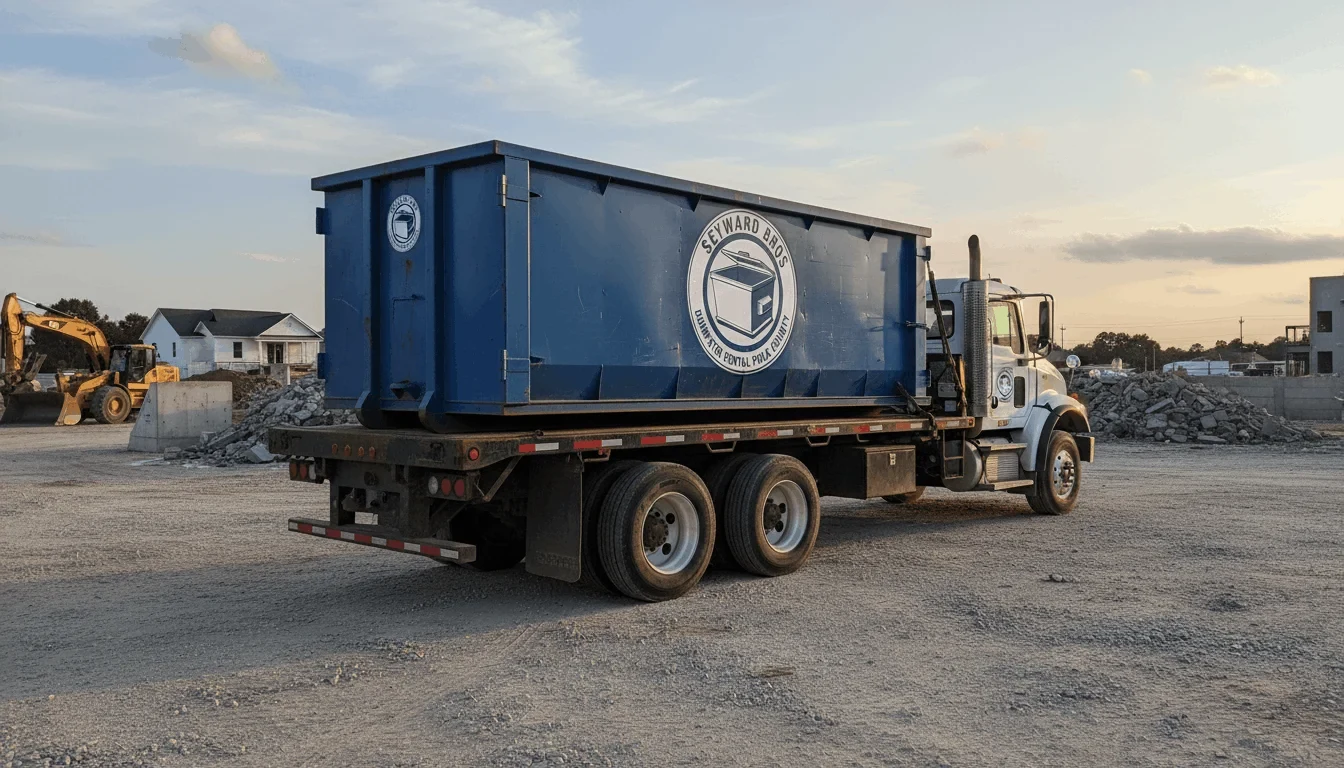
Waterfront lots don't always follow a standard suburban layout — some have narrower access roads, some have a driveway that doesn't reach all the way to the water's edge, and some sit on a lake-chain canal with its own access quirks. None of that is unusual for us, but it's exactly the kind of detail worth mentioning on the phone before delivery day so we can plan container placement around your specific lot rather than guessing on-site.
Permitting Through the City
Winter Haven administers its own Right-of-Way Use Permit through its Public Works department for anything placed on a public street rather than entirely on private property. A container kept on your own driveway or lakefront lot generally doesn't trigger this requirement — it's specifically street or right-of-way placement that does.
Sizing for a Waterfront Project
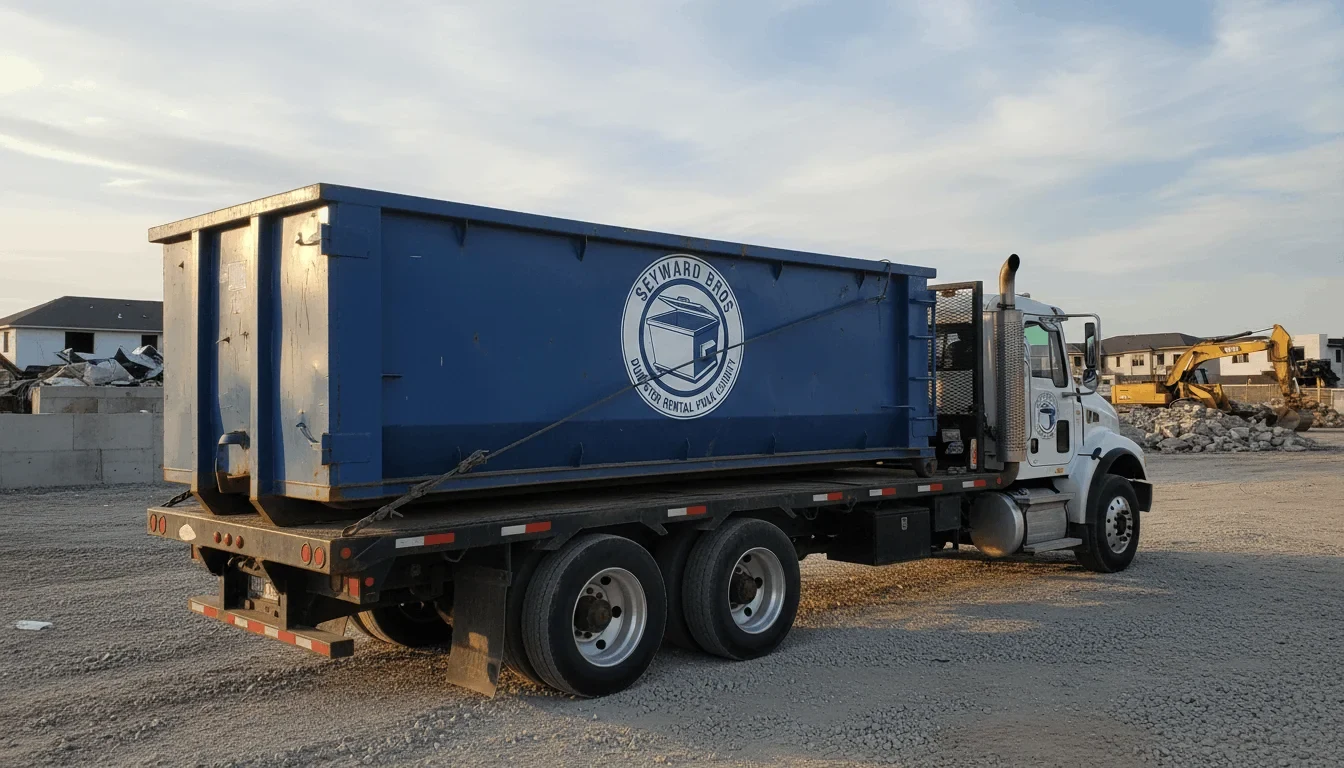
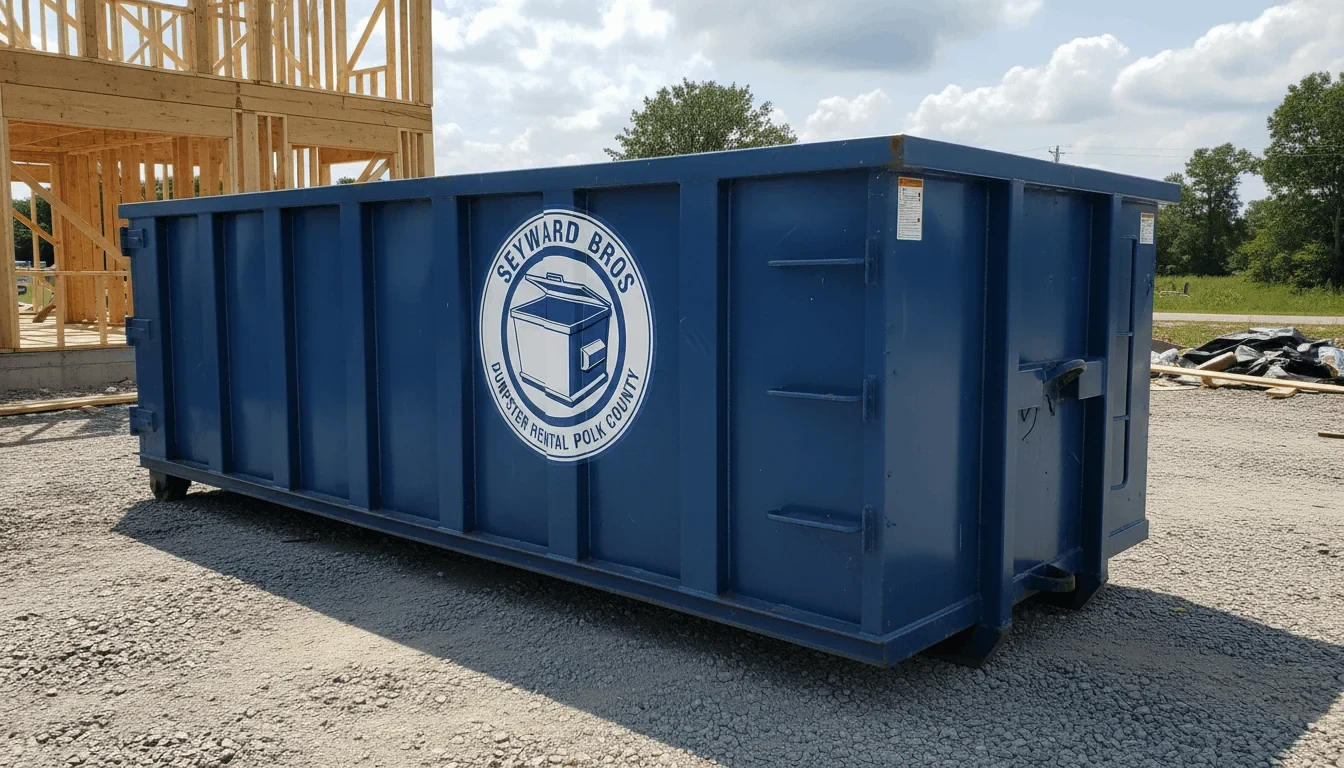
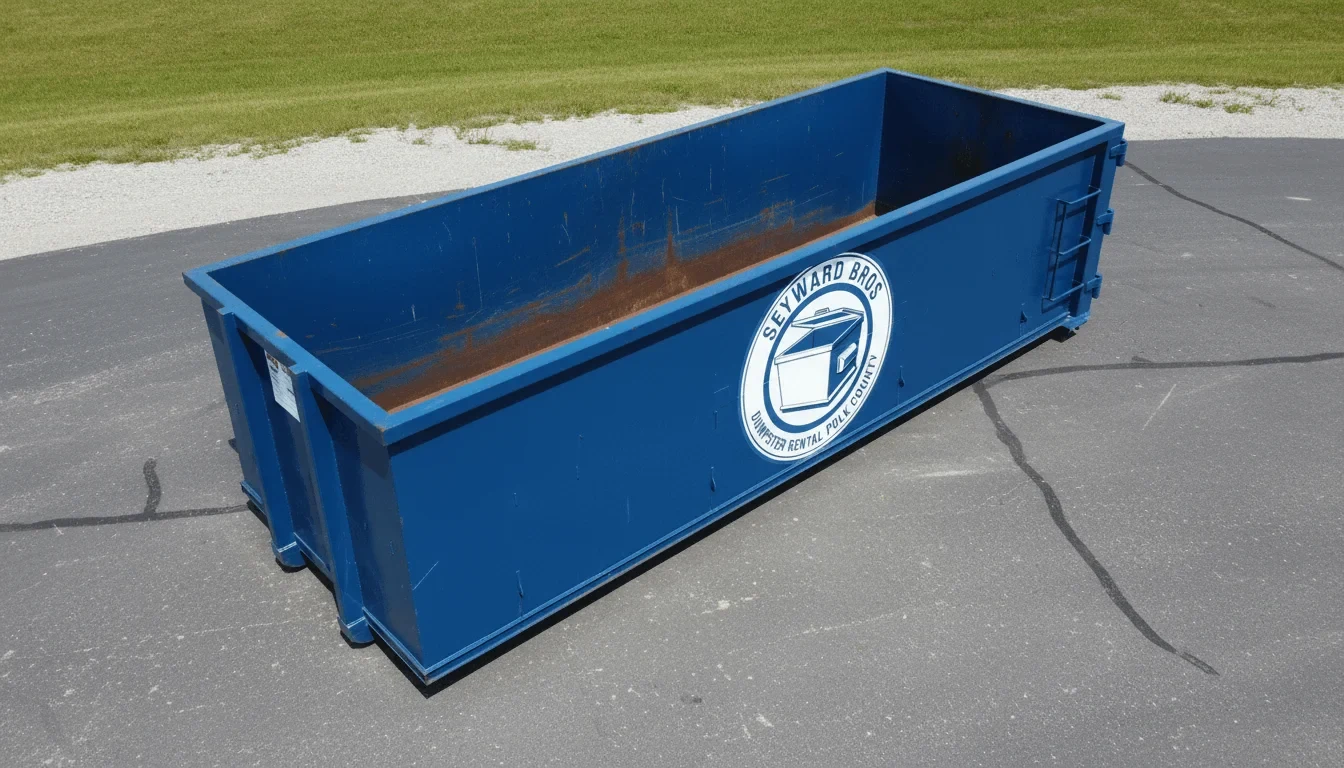
A dock, seawall or shoreline landscaping project often fits a 15 or 20 yard, depending on how much material is coming out. A fuller lake-home renovation — especially one on an older 1920s-era property — more often calls for a 20 or 30 yard. Call (863) 457-3737 and describe the project and we'll size and place a container around your specific waterfront lot.